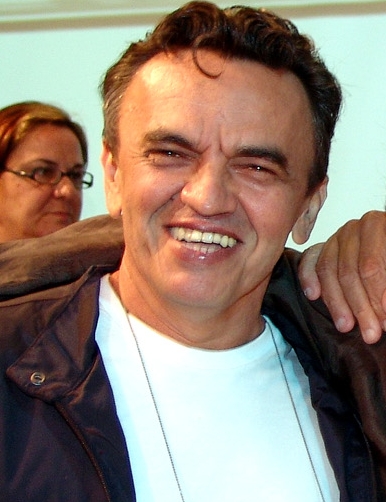
José Dumont's Award-Winning Legacy: From 'Behind the Sun' to Globo TV Stardom
For anyone researching the pantheon of Brazilian acting greats, a quick search for "Jose Dumont Wiki" will quickly reveal a career spanning decades, marked by immense talent, versatility, and a remarkable collection of accolades. José Dumont, born on July 1, 1950, in Bananeiras, Paraíba, is more than just an actor; he is a cinematic and television institution, a master of embodying the diverse soul of Brazil, particularly its vibrant Northeastern spirit. His journey from the stage to becoming a permanent fixture on Globo TV and an internationally recognized film star is a testament to his enduring craft and profound impact on Brazilian culture.
The Formative Years: From Paraíba to the Performing Arts
José Dumont's story begins in the heart of Paraíba, a state renowned for its rich cultural heritage in Brazil's Northeast. Born as José do Monte, he later adopted the stage name Dumont, which would become synonymous with authentic, powerful performances. His early life in Bananeiras instilled in him a deep connection to the regional identity that would later define many of his most celebrated roles.
Dumont's entry into the professional acting world wasn't a sudden leap but a gradual, committed progression. He initiated his award-studded career in 1975, cutting his teeth in both theater and cinema. This dual foundation provided him with a comprehensive understanding of performance, from the immediate demands of live audiences to the nuanced requirements of the camera. It was during these formative years that he honed the raw talent that would later make him one of Brazil's most sought-after actors, a true embodiment of the characters he brought to life.
A Cinematic Powerhouse: Iconic Roles and International Acclaim
The late 1970s and early 1980s marked José Dumont's significant rise in Brazilian cinema, setting the stage for a career filled with critical success. His presence became widely recognized across the country through pivotal roles in films that are now considered classics of Brazilian cinema. Notable among these early works were
Lúcio Flávio – Passageiro da Agonia (1977), directed by the acclaimed Hector Babenco, and
Gaijin: Caminhos da Liberdade (1980), helmed by Tisuka Yamasaki. These films not only showcased his burgeoning talent but also cemented his status as a serious dramatic actor.
The awards started rolling in early, underscoring his immediate impact. In 1979, Dumont earned his first major distinctions for Best Actor at the prestigious Gramado and Brasília film festivals, as well as the Havana Film Festival, for his compelling performance in João Batista de Andrade's
O Homem que Virou Suco (The Man Who Turned Into Juice). This role highlighted his ability to portray complex, everyman characters with depth and authenticity, a characteristic that would become his hallmark.
However, it was his unforgettable portrayal of the family patriarch in Walter Salles' 2001 masterpiece,
Behind the Sun (
Abril Despedaçado), that brought José Dumont to international prominence. Working under the direction of a filmmaker celebrated for his poignant storytelling and ability to capture the essence of Brazilian landscapes and people, Dumont delivered a performance that resonated with audiences worldwide. The film itself was an award-winning triumph, and Dumont's role was central to its emotional core, earning him widespread critical praise.
Another significant cinematic achievement came with
2 Filhos de Francisco (Two Sons of Francisco), where he was lauded for his depiction of a slick artist agent-entrepreneur. This role demonstrated his remarkable range, moving from the stoic, traditional family father to a more cunning and modern character, further solidifying his reputation as a versatile actor capable of inhabiting vastly different personas. Later, in 2004, he received another Best Actor award for his work in
Narradores de Javé (Narrators of Javé), a film that continued to explore themes of regional identity and historical memory, perfectly aligning with Dumont's strengths.
These roles collectively form a powerful narrative of an actor deeply committed to his craft, consistently delivering performances that elevate the storytelling and leave a lasting impression on the audience. His cinematic achievements are not just a list of credits but a journey through the evolution of Brazilian cinema itself.
A Household Name: José Dumont's Enduring Presence on Globo TV
Beyond the silver screen, José Dumont has cultivated an equally impressive career in Brazilian television, becoming a familiar and beloved face in countless TV series and soap operas. His consistent presence on Globo TV, Brazil's leading television network, has made him a household name, showcasing his versatility to millions of viewers on a daily basis. He is, in fact, a permanent fixture in the network's cast, a testament to his reliability and widespread appeal.
Dumont's television debut dates back to 1982 in the miniseries
Lampião e Maria Bonita, where he portrayed Lieutenant Zé Rufino, a role that immersed him in the historical narratives of Brazil's Northeastern banditry, or 'cangaço.' This early television appearance foreshadowed a career rich with culturally significant roles.
Throughout the 1980s and 90s, Dumont's presence on Globo TV was prolific. He appeared in highly popular productions such as
Fernando da Gata (1983),
Bandidos da Falange (1983),
Corpo a Corpo (1984),
Padre Cícero (1984), and the iconic miniseries
Grande Sertão: Veredas (1985), based on the seminal Brazilian novel. His roles in these series often captured the essence of Brazilian rural life, historical figures, and complex societal dynamics.
The 1990s continued this trajectory of success with appearances in groundbreaking telenovelas and series. He was part of the original cast of
Pantanal (1990), a critically acclaimed series known for its stunning portrayal of the Brazilian wetlands and its environmental themes. Following this, he featured in
A História de Ana Raio e Zé Trovão (1990),
Amazônia (1991),
Guerra Sem Fim (1993), and
Tocaia Grande (1995). Each role added another layer to his reputation as an actor who could seamlessly transition between different genres and historical periods, bringing authenticity to every character.
The turn of the millennium saw José Dumont continuing his television dominance. His performance in the epic historical telenovela
Terra Nostra (1999) was widely praised, solidifying his status as a veteran actor capable of holding his own in large ensemble casts. More recently, his noted appearance in
América (2005) further demonstrated his continued relevance and demand in the competitive world of Brazilian television. From playing humble farmers to cunning entrepreneurs and historical figures, Dumont's extensive work on Globo TV has made him a cornerstone of Brazilian televised drama, proving that his charisma and talent transcend the big screen.
The 'Physique du Rôle': Embodying Brazil's Northeastern Soul
One of the most defining aspects of José Dumont's career, and a key to understanding his profound connection with Brazilian audiences, is his "physique du rôle"—a French theatrical term referring to an actor's physical appearance being ideally suited to the character they play. For Dumont, this is particularly true for characters originating from Brazil's Northeastern region.
Born and raised in Paraíba, Dumont inherently possesses the look, mannerisms, and cultural understanding that perfectly embody the inhabitants of this unique and historically rich part of Brazil. His facial features, often rugged and expressive, combined with a natural gravitas, make him the ideal choice for interpreting characters who reflect the resilience, wit, and deep-seated traditions of the Northeast. This authenticity is not merely skin-deep; it stems from a lifetime of experience and an innate understanding of the region's people, their struggles, joys, and philosophies.
Directors frequently cast him in these roles not just for his acting prowess but because he *looks* the part, adding an unparalleled layer of credibility and realism to his performances. This natural affinity has allowed him to portray a diverse range of Northeastern archetypes—from the stoic family father in
Behind the Sun to the cunning entrepreneur, and the various historical figures from the 'cangaço' era. His ability to convey the spirit of these characters, often with minimal dialogue, speaks volumes about his profound connection to his roots. For a deeper dive into this fascinating aspect of his career, explore
The 'Physique du Rôle': How José Dumont Became Brazil's Regional Storyteller.
An Enduring Legacy and Impact on Brazilian Acting
José Dumont's career is a masterclass in longevity, artistic integrity, and impactful storytelling. His journey from humble beginnings in Paraíba to becoming a beloved national treasure is a source of inspiration for many aspiring actors. He has consistently demonstrated that authenticity, dedication, and a deep connection to one's cultural identity can lead to an extraordinary and fulfilling career. His ability to seamlessly transition between the nuanced demands of cinema and the fast-paced world of television, maintaining a high standard of performance in both, is truly remarkable.
Dumont's legacy extends beyond his numerous awards and iconic roles. He has helped shape the narrative of Brazilian cinema and television, giving a voice and face to the often-underrepresented yet culturally rich regions of Brazil. His characters are not merely fictional constructs; they are reflections of real people, their struggles, and their enduring spirit. He has shown the power of an actor to transport audiences, evoke empathy, and contribute significantly to the cultural dialogue of a nation.
For an actor to remain relevant and in demand for over five decades requires more than just talent; it requires continuous evolution, an unwavering work ethic, and a profound respect for the craft. José Dumont embodies all these qualities, making him an enduring icon. His contributions have not only enriched the lives of his audiences but have also set a benchmark for excellence in Brazilian acting. Discover more about his illustrious path in
José Dumont: Brazilian Actor's Journey from Stage to Globo TV Stardom.
Conclusion
José Dumont's career is a vivid tapestry woven with threads of dedication, talent, and cultural significance. From his impactful early roles in films like
O Homem que Virou Suco to his international acclaim in
Behind the Sun, and his omnipresence on Globo TV, Dumont has consistently delivered performances that resonate deeply. His distinctive "physique du rôle" has made him an unparalleled interpreter of the Brazilian Northeast, embodying its essence with raw authenticity. For those exploring the depths of Brazilian acting, a comprehensive "Jose Dumont Wiki" entry would highlight not just a filmography, but a profound artistic legacy that continues to inspire and entertain, cementing his place as one of Brazil's most revered actors.